
Civilian · 13 systems
Our solutions
Heavy-duty robots that go first into active fires, collapsed structures, flooded zones and toxic atmospheres — so people don't have to. Below is every system configured for civilian operations. Each carries an honest maturity label — open any one to explore its full specifications, applications, and media.
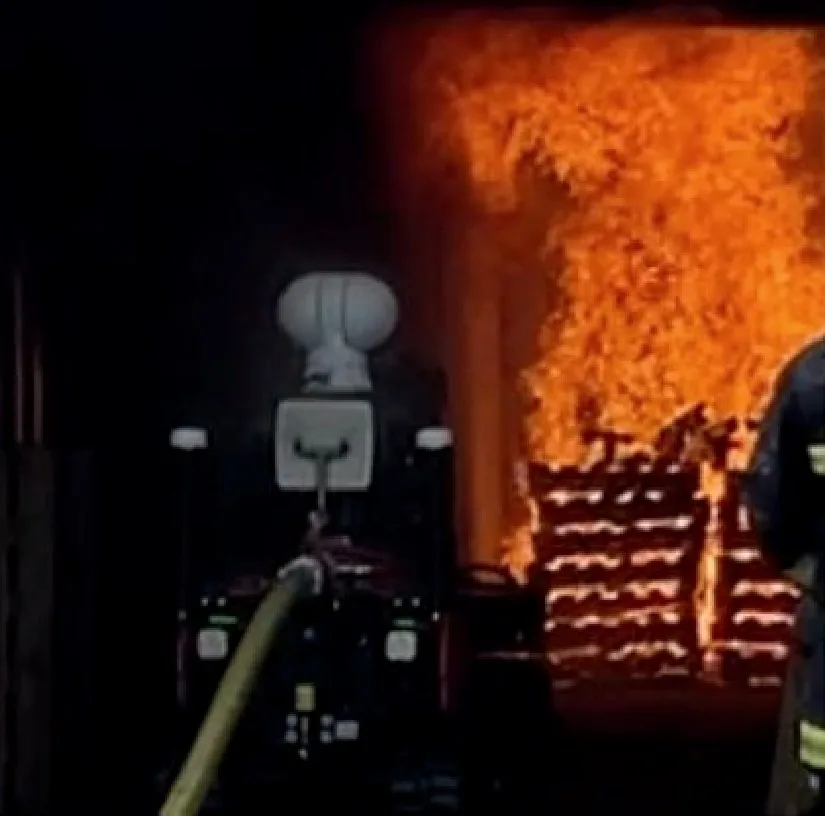
MAX1 · Unmanned ground vehicles
The first one in, where crews can't safely go.
MAX1 is a heavy-duty teleoperated intervention robot built to enter environments where human entry is impossible — active industrial fires, collapsed structures, flooded zones, toxic atmospheres and underground tunnels. It replaces people at the point of maximum risk.
- Industrial firefighting
- A remote-controlled water cannon advances into heat and smoke, towing up to 300 m of 70 mm charged hose. A ventilation fan clears smoke from tunnels and underground car parks.
- Rescue and supply
- The stretcher module carries casualties out of hot or toxic areas; the O₂ carrier brings breathing apparatus to firefighters working in the hot zone.
- Hazmat and disaster response
- Multi-gas and thermal sensing stream readings before anyone enters. MAX1 crosses flooded ground, rubble and debris, and clears routes with its front blade.
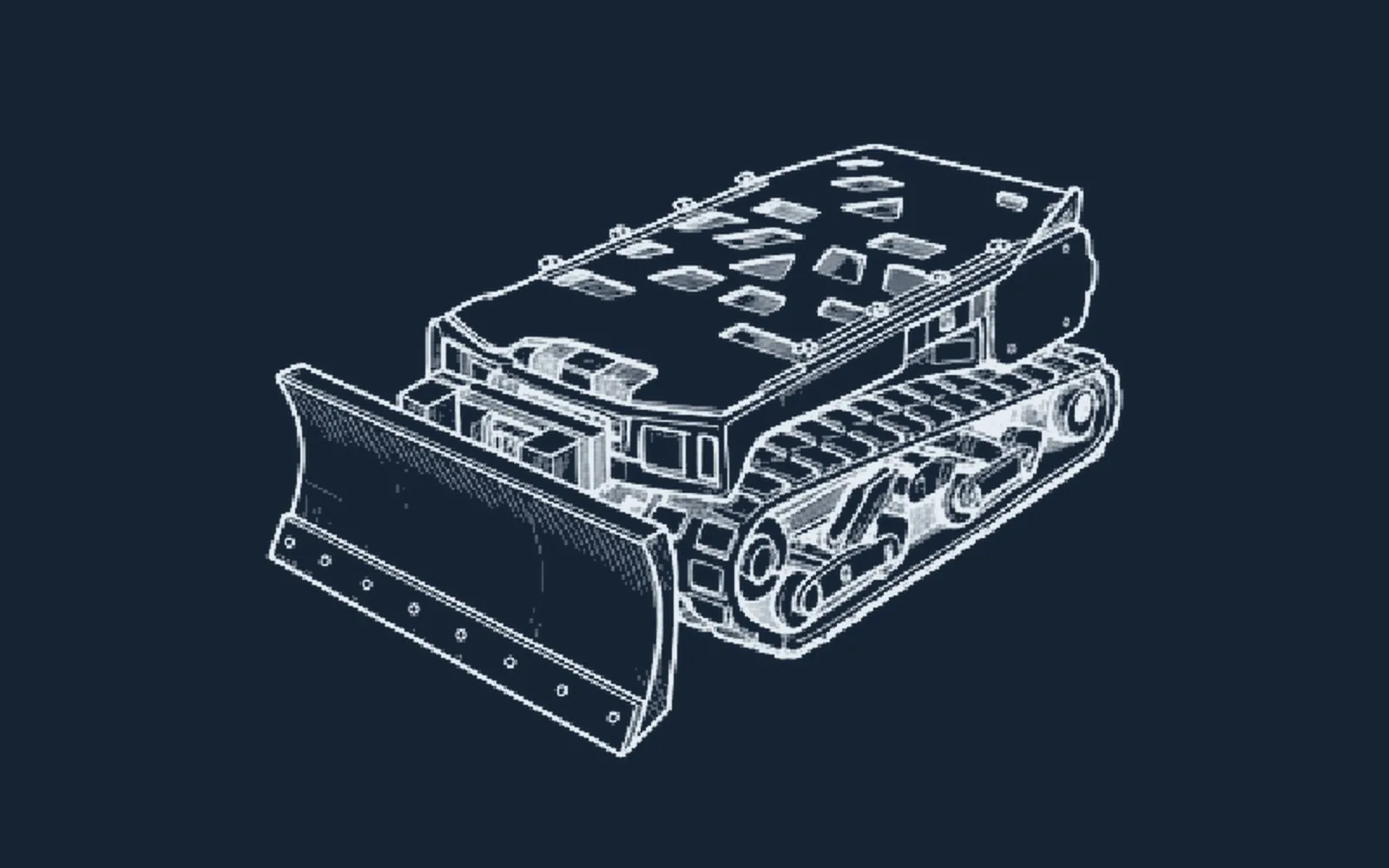
Snow plow · Payload modules
A front hydraulic blade for debris displacement, snow clearing and creating access routes into disaster zones.
- Hydraulic front blade on the standard MAX1 platform.
- Opens access routes through debris after a collapse.
- Keeps routes clear in snow and winter conditions.
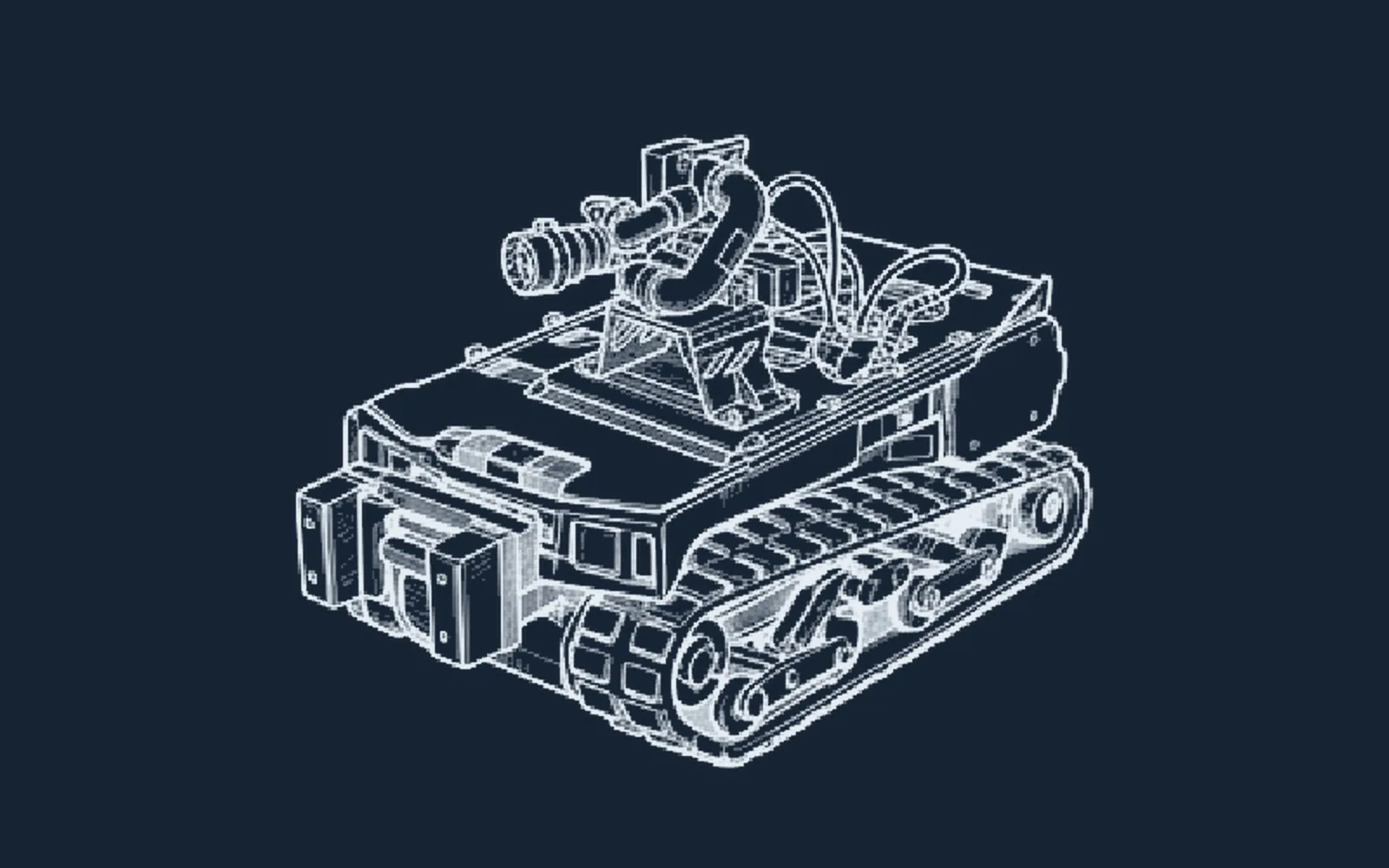
Water cannon · Payload modules
A remote-controlled firefighting monitor that advances into active fire zones, towing up to 300 m of 70 mm charged hose.
- Remote-controlled monitor aimed from a safe distance.
- Tows 300 m of 70 mm charged hose into the fire zone.
- Holds positions in heat and smoke that crews cannot.
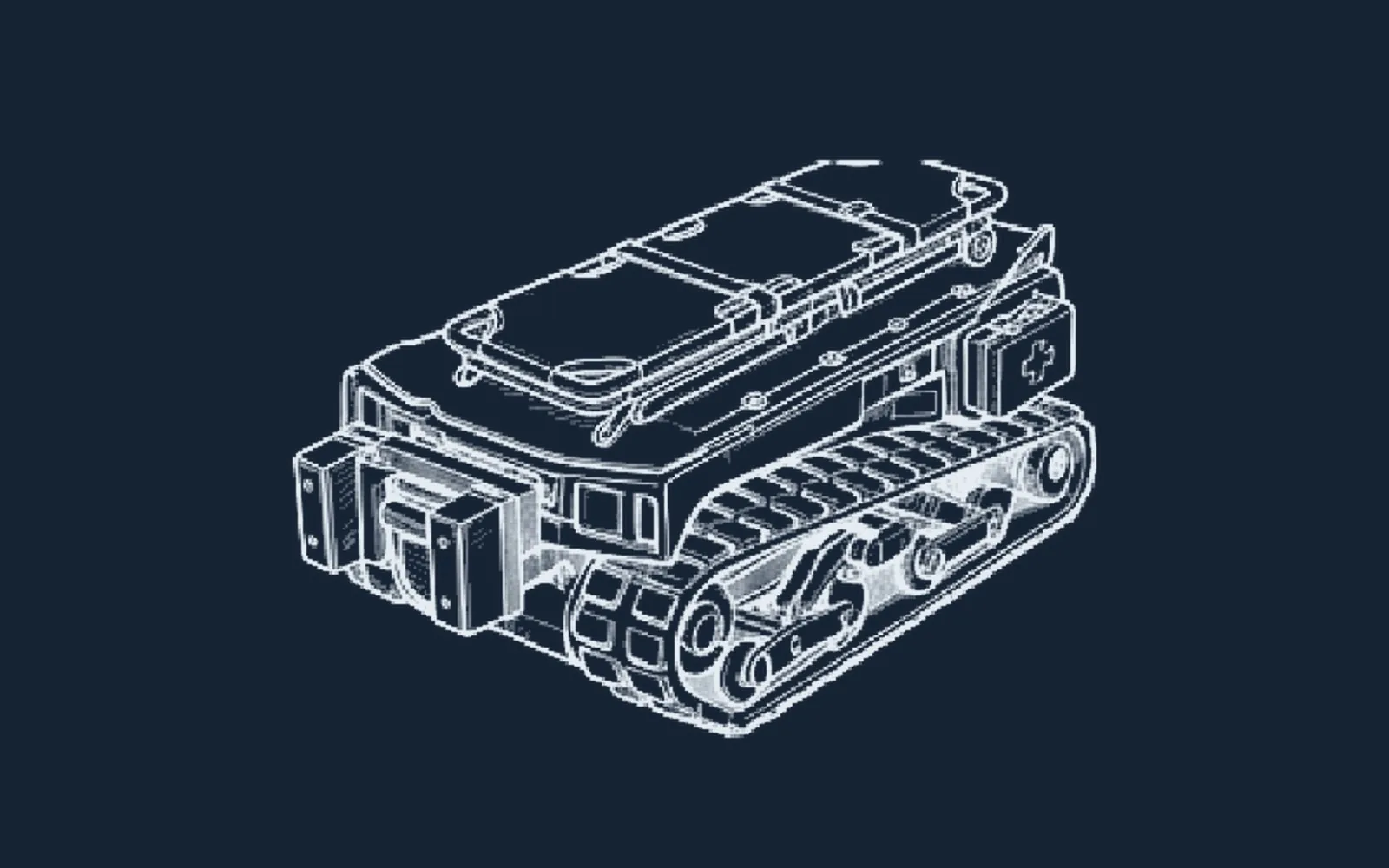
CASEVAC stretcher · Payload modules
A medical-evacuation platform for carrying casualties out of denied, high-temperature or toxic environments.
- Stretcher mounted on the MAX1 payload deck.
- Moves a casualty without adding carriers.
- Demonstrated extracting a casualty from a trench.
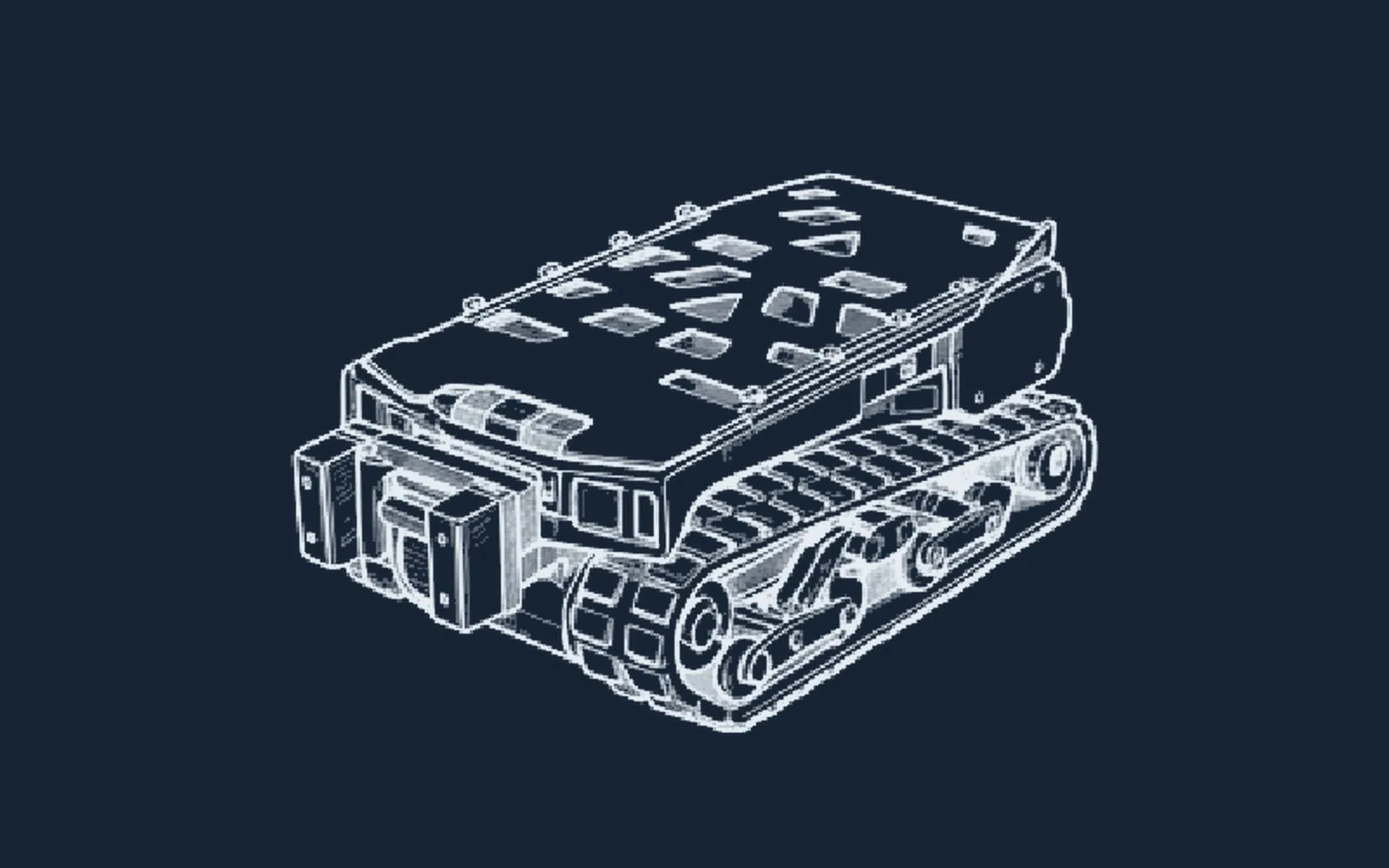
Bare platform · Payload modules
The open flat deck with the full 800 kg payload available for custom sensor or tool integration.
- Full 800 kg payload capacity.
- Standard mechanical mounting and onboard power.
- Starting point for custom mission integration.
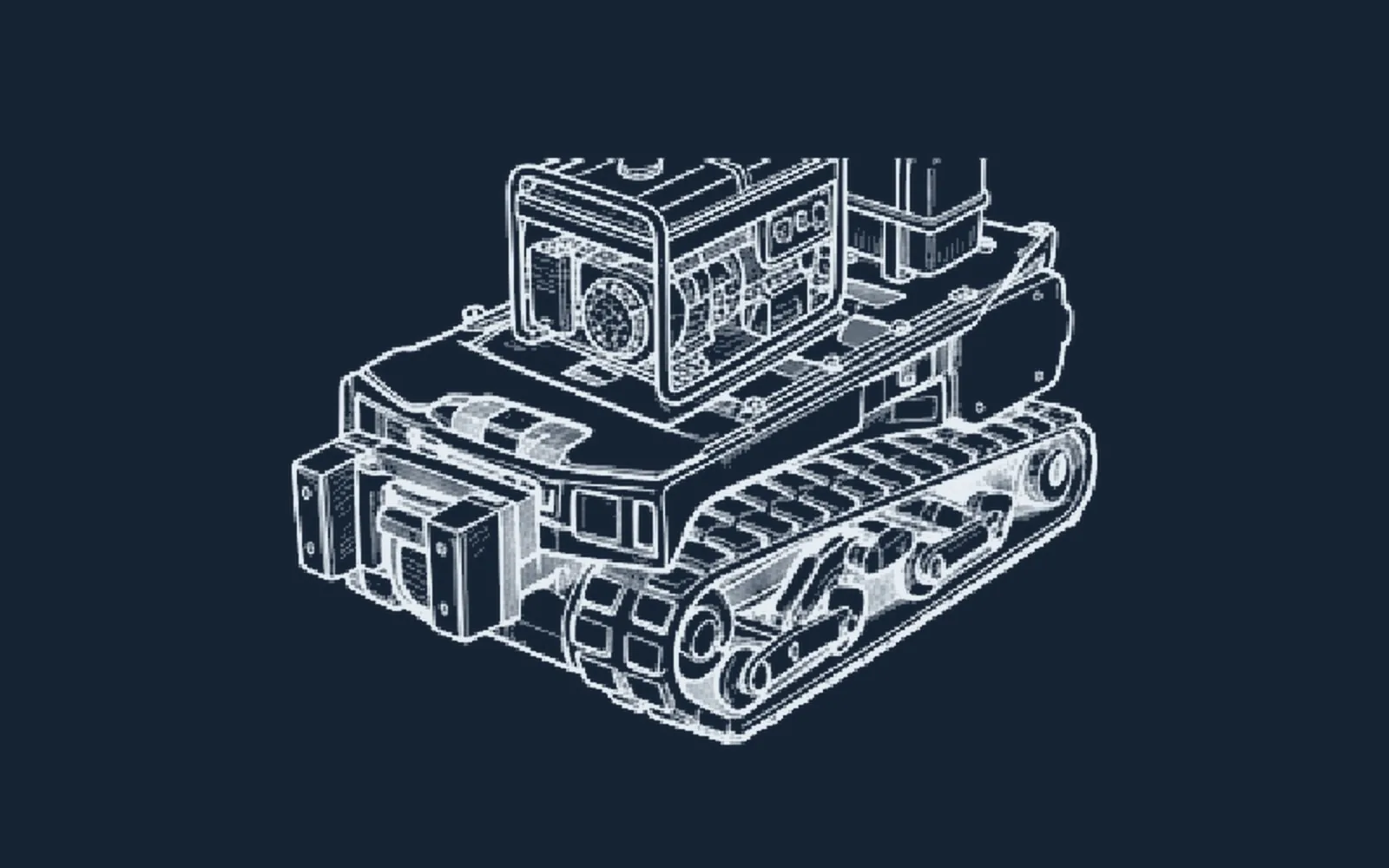
Electric generator · Payload modules
Mobile power generation for field hospitals, emergency command posts and disaster relief.
- Brings power to where the grid is down.
- Supports field hospitals and command posts.
- Driven into place across difficult ground.
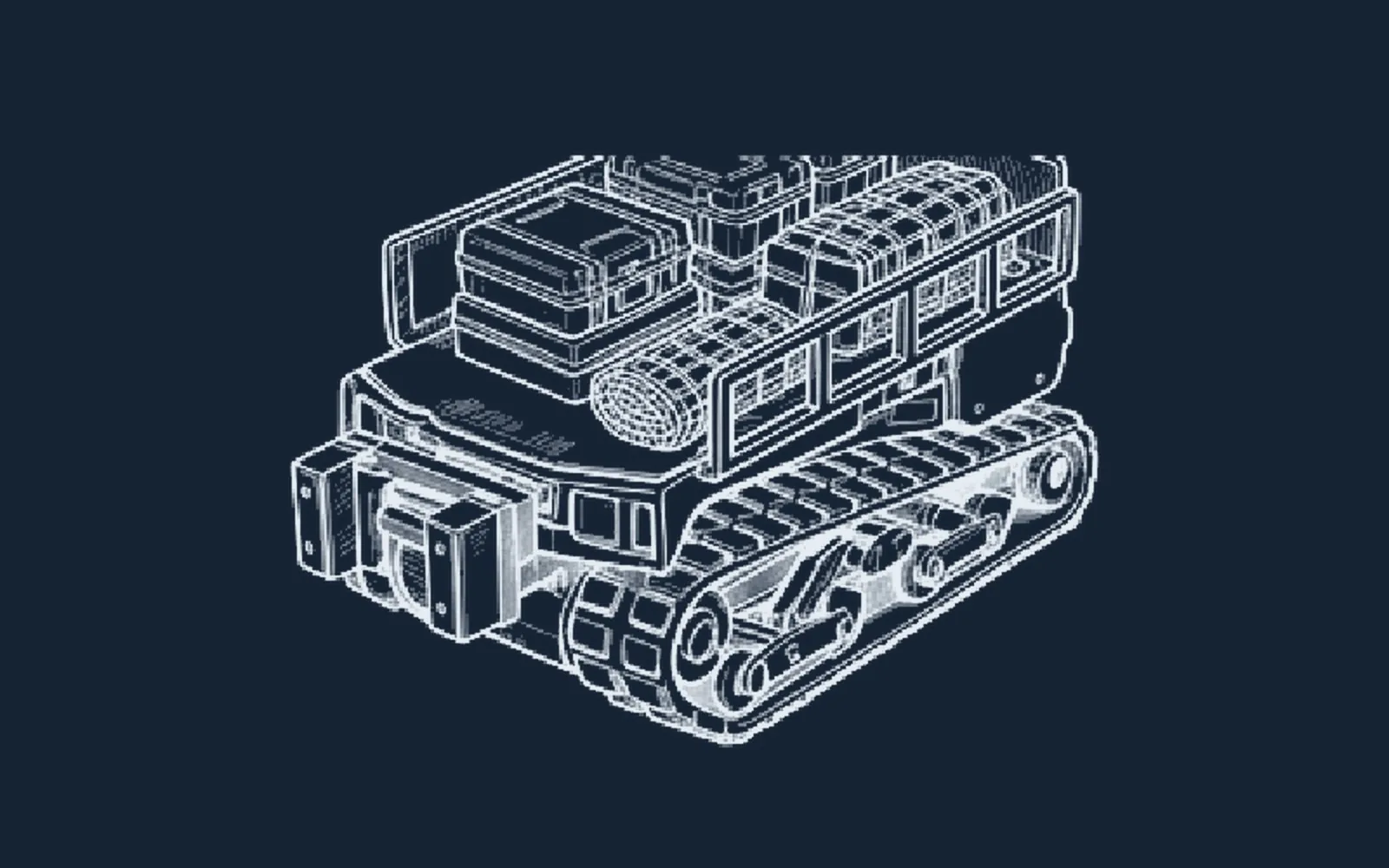
Payload cargo · Payload modules
A multi-tier cargo rack for delivering equipment, medical supplies or breathing apparatus — up to 800 kg.
- Multi-tier rack for mixed loads.
- Up to 800 kg across rugged terrain.
- Keeps people and vehicles off exposed supply routes.
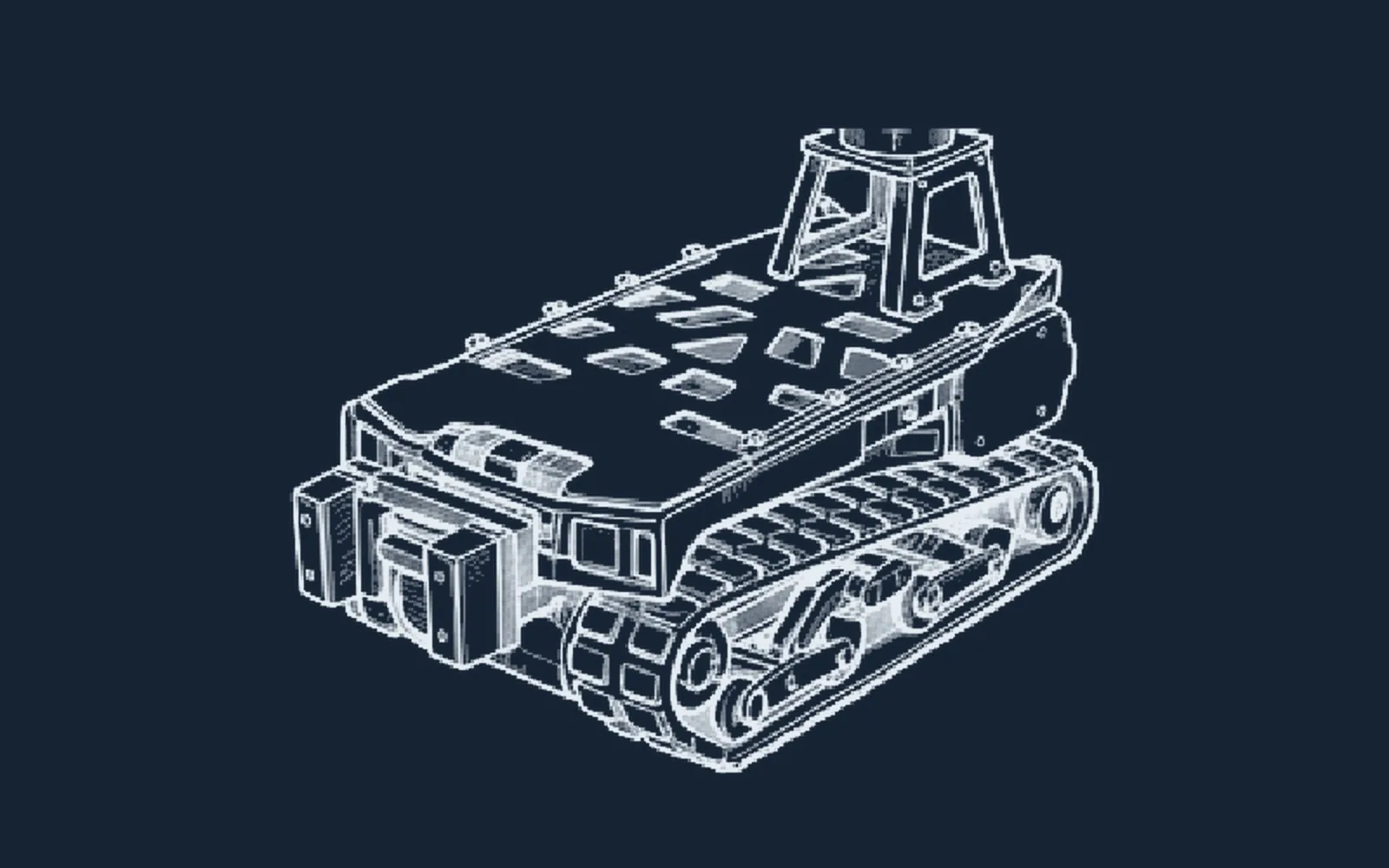
Surveillance module · Payload modules
An elevated PTZ mast with day, thermal and night imaging for reconnaissance and real-time situational awareness.
- Elevated pan-tilt-zoom sensor mast.
- Day, thermal and night imaging.
- Live video and telemetry to the operator.
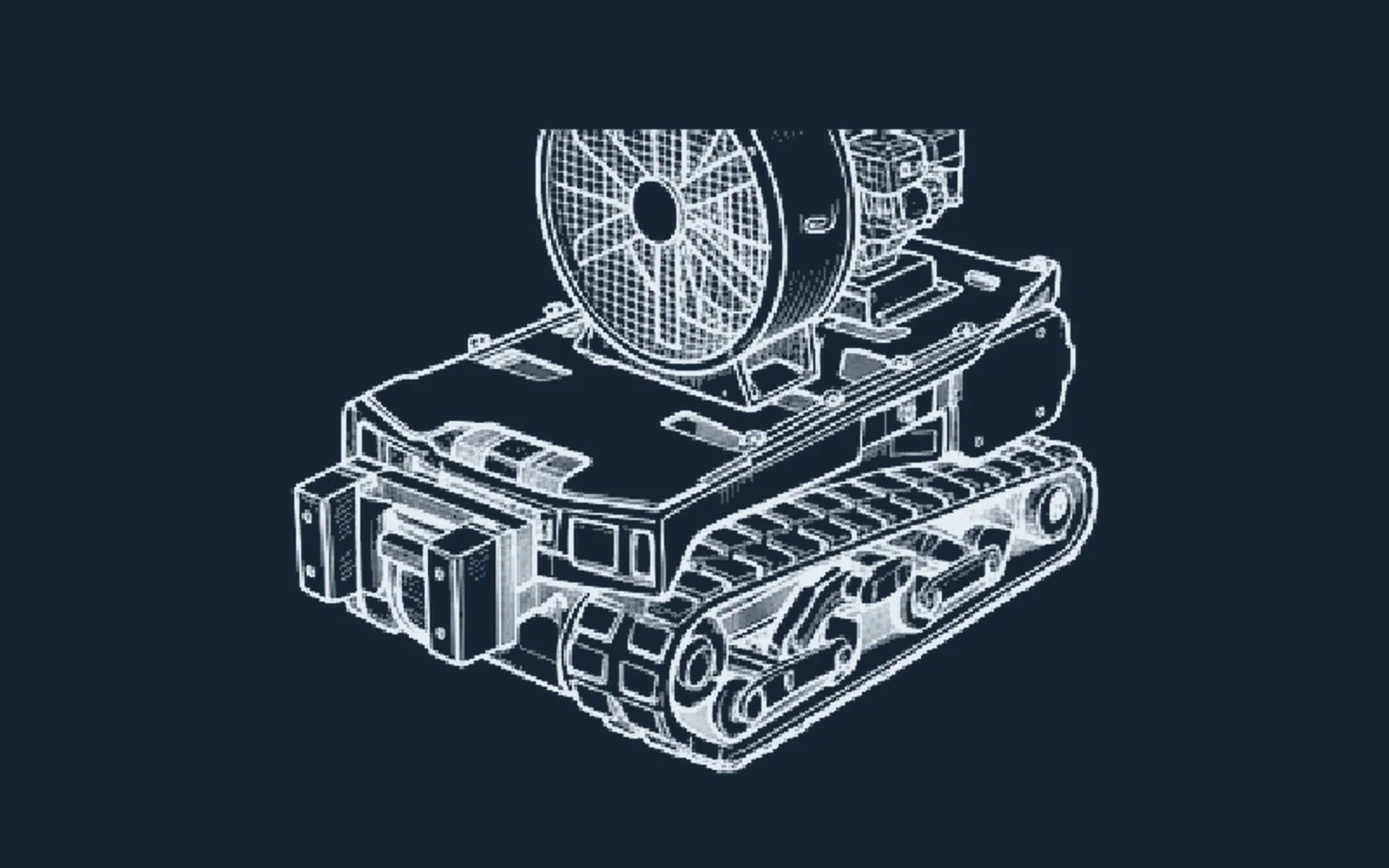
Ventilation fan · Payload modules
A high-flow smoke-extraction fan for tunnels, underground car parks and confined-space fire operations.
- High-flow smoke extraction.
- Built for tunnels and underground car parks.
- Positioned remotely in confined spaces.
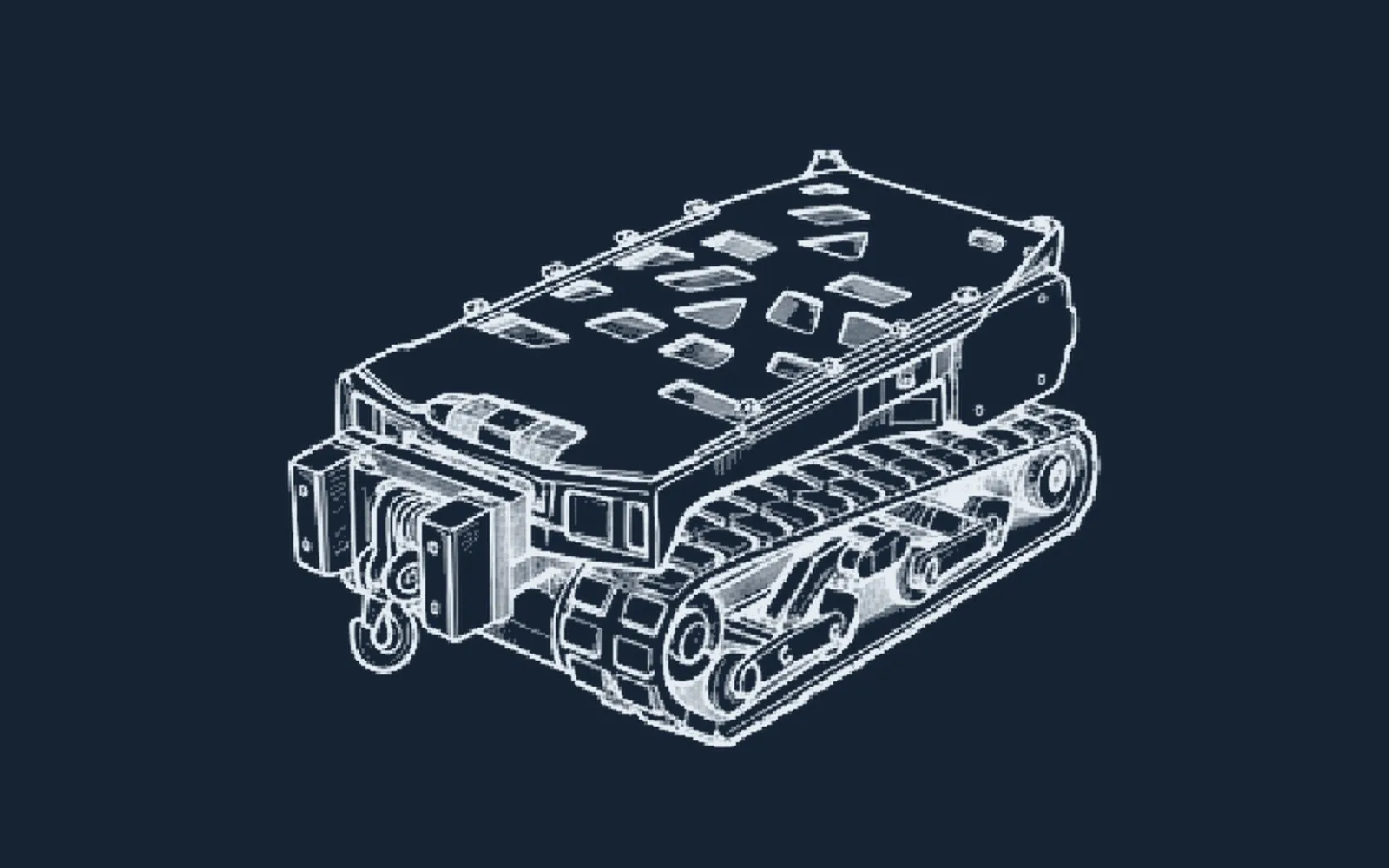
Pull bar & winch · Payload modules
A heavy traction bar and winch for vehicle recovery, door breaching and heavy obstacle removal.
- Heavy traction bar and winch.
- Demonstrated towing a military truck.
- Clears heavy obstacles from access routes.
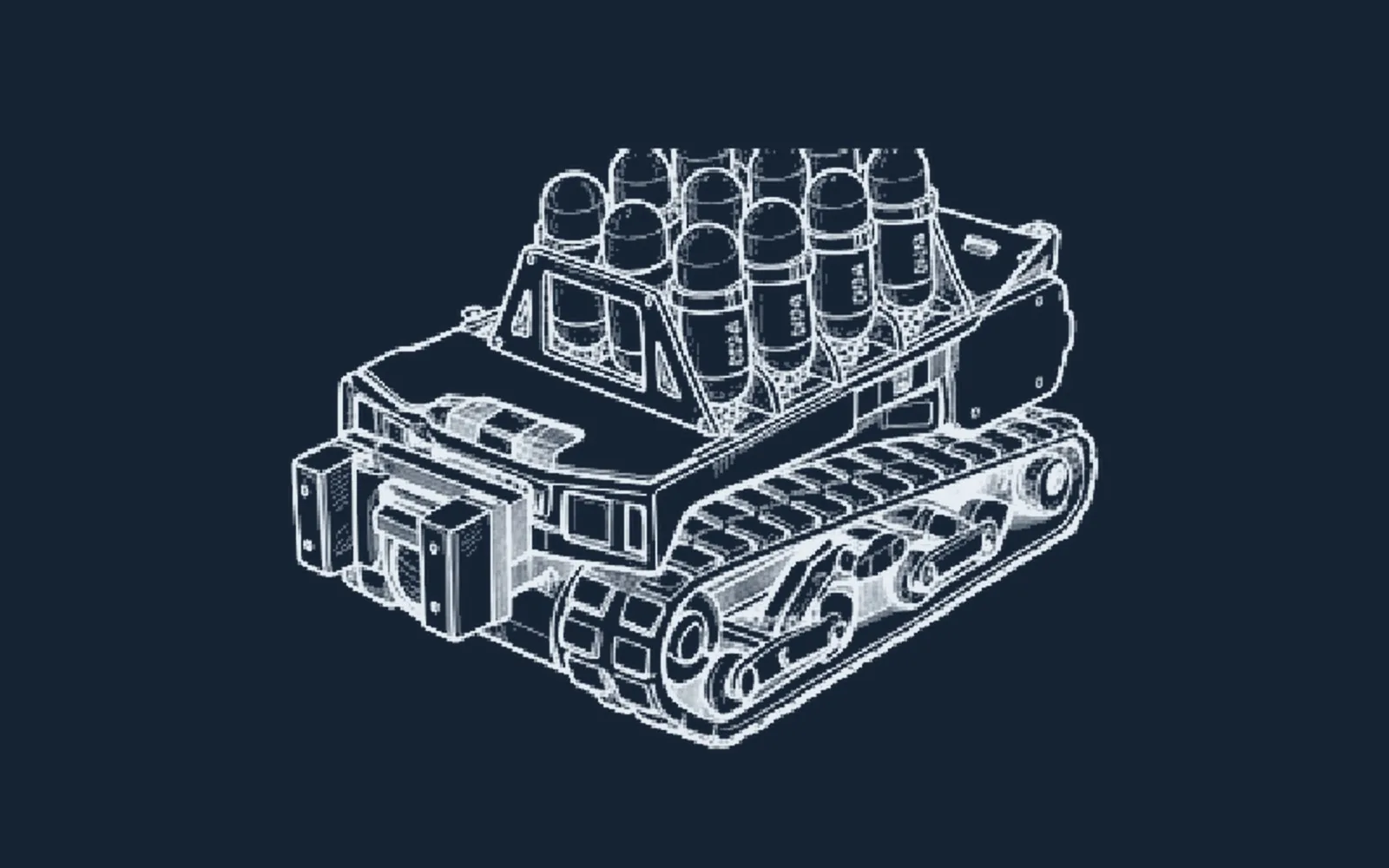
O₂ tank carrier · Payload modules
A breathing-apparatus cylinder rack that delivers oxygen directly to firefighters operating in hot zones.
- Rack for SCBA oxygen cylinders.
- Resupplies crews without sending people back through the hot zone.
- Carried on the standard MAX1 deck.
Protective robots · Protective robotics
A robot that steps in first.
At a live demonstration for law-enforcement trainees, the robot moved autonomously to position itself over a simulated grenade, shielding its operator — exactly the scenario it was trained for.
- Where it stands
- Demonstrated live. We are now refining the data and reaction times.
Spatial Brain · Autonomy & AI
Autonomy for wherever it's needed.
Spatial Brain was not built for a single use case. From disaster response and industrial exploration to smart-city infrastructure, it brings autonomy to the environments where it matters most.
- Proven in flight
- Flight tests with our autonomous drone confirmed full spatial awareness and edge decision-making.
Not sure which system fits your civilian operation?
Tell us the environment and the task. We'll walk you through what is proven today and what is still in development.